Friendship, relaxation and love

Living everyday with a chronic illness can take its toll. Especially when a rare disease such as carcinoid syndrome and doesn’t trip of the lips easily. Most people haven’t heard of the cancer that comes with it let alone understand it. The daily routine of creams, feeding, blood sugar checking. Not to mention the absolute fatigue. What makes life much easier is routine. And most importantly I make sure I find a special time for friendship, relaxation and love.

In between my weekly tube services, 14 day octreotide treatment I find time to get some normality into my life. The one thing I promised myself is when the words incurable rang in my ears; I most certainly gave myself a talking to and will always fit this disease round my life not my life round the disease. My family is hugely important to me. I will always find the time to have fun and a willing ear. As time is going on and my condition progresses what is becoming apparent to me is what helps keep me sane is friendship, relaxation and love. The unconditional love I have for my husband and children (and their children) goes without saying. I love and am loved by some beautiful people that help me get by. Friendship is amazing, it is comforting to get woken by your mobile phone with a message to ask how you are. Or just to say hello. Sometimes the message actually may be asking for advice – I like that. Totally feel needed. Relaxation is essential for us all, enjoy.

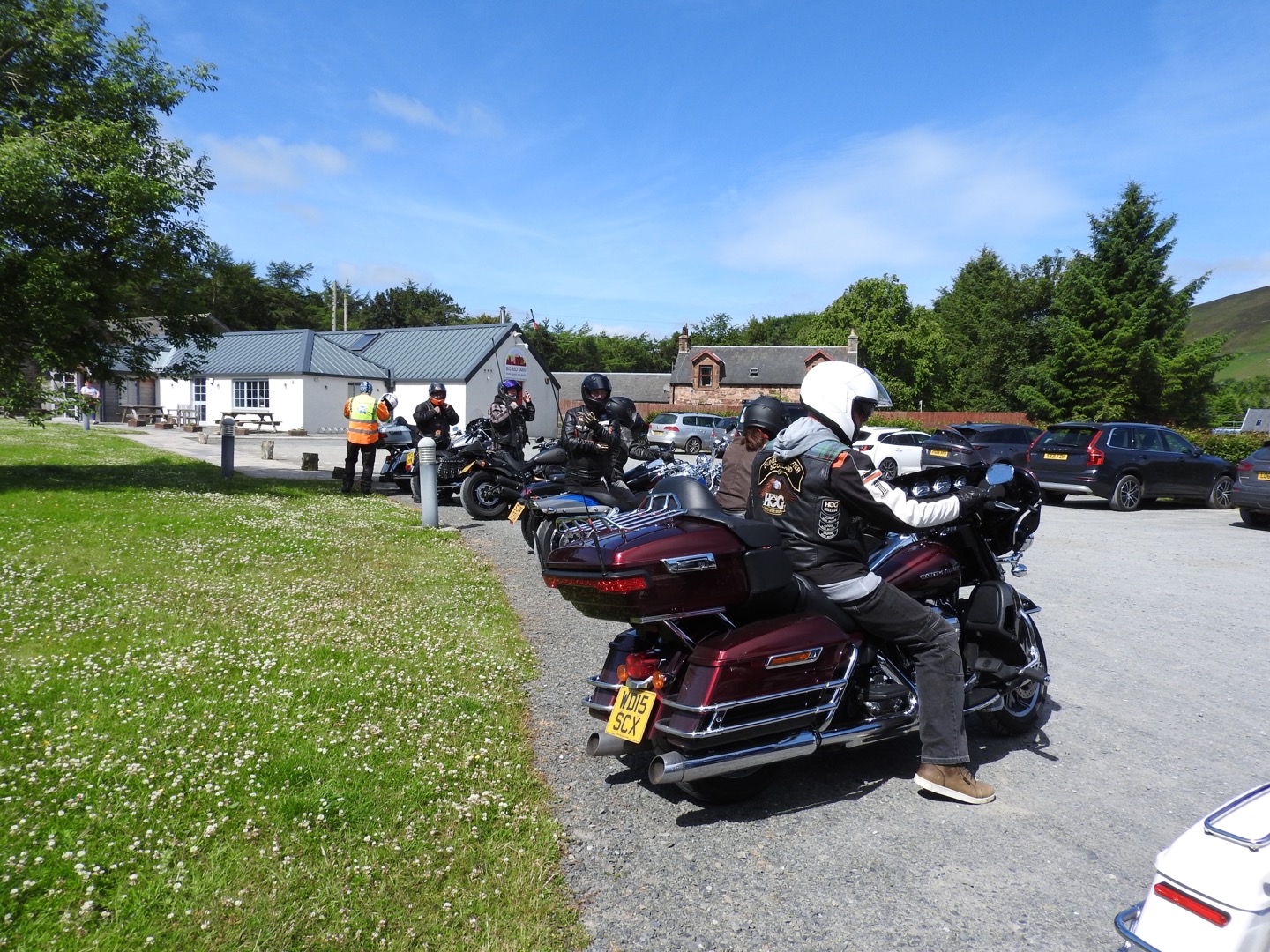
I have been having a particularly difficult time recently with my rig. However on Saturday it was the most beautiful day and there was a Chapter Ride organised. We are members of a Harley-Davidson® bike club – The Dunedin Chapter. We get together for rides, social events, charity fundraisers. Superb way of getting out on the bike and meeting new people. Steve was going on the Harley-Davidson® on the ride. Some of our friends were going on the ride. I decided since it was only a 60 mile run I would go to. Super weather, beautiful scenery, great friends and on our latest Harley-Davidson®. Of course I clambered on the back of the armchair seat. Feed linked up and away we went. A wonderful ride to The Big Red Barn.

After a wonderful relaxed few days seeing and chatting to family on the phone. Speaking to friends. And getting out on the bike for a while. I am now ready for my hospital appointment tomorrow.

Think I will get on the website Handy Candy and get a few goodies for the house. Life is good.
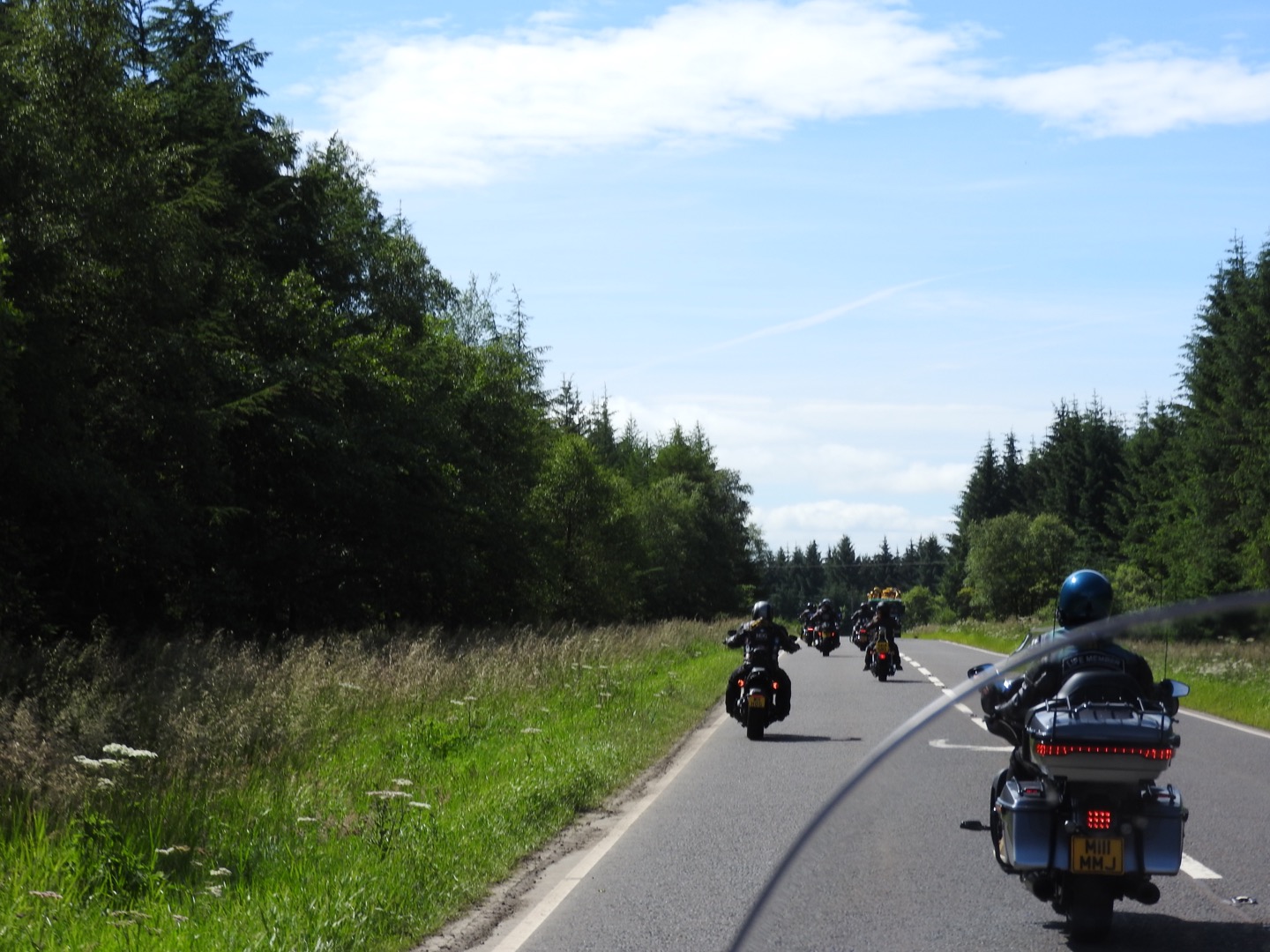
Riding down to The Big Red Barn

Clinical Trials: what’s the cost of a placebo?

What’s the cost of a placebo?

Dr Elizabeth M Johnston-Young

As treatments are started we struggle to find enough time. The patient population exists, it is hoped that awareness is increased of individuals, families and friends. The one thing that is always the upmost priority is health. For medical science to progress, people to get better treatments, hopefully find cures or at least a better or longer life span for a debilitating health chronic disease. We need to conduct gene therapy programs or clinical trials. Clinical tests give people hope; delivering the right information and having an impact on quality of life. Some clinical trials have placebos. what’s the cost of a placebo?

A great number of participants feel valued when working together in gene therapy programs and clinical trials. On asking some patients that have taken part in trials they have said “being part of a trial was a real privilege”

Some programs/trials are the first and only one of their kind. Where there is no cure, only treatment available.

One patient who has an extremely rare disease and is also a charity trustee said ” being part of the trial is important, not only does it make my life better but it can help with the lives of others. People with the same condition can benefit. As a trustee, I hope to encourage other patients to take part, offer advice and information”

Trials come in all shapes and sizes. Run for varying lengths and need differing amounts of volunteers. However they all need to have rules, legislation, outcomes, statistics. It is extremely important the trials are carefully monitored and measured. We get accurate results and truthful information. This determines whether the trial is a success or not. Did it work? Was the drug getting to the target? On setting up the trial decisions have to be made how is has to be run. Yes people have to get recruited. At times recruitment can be rather difficult and challenging. Even before the trial there are usually pre trial health examinations. With a disease such as Motor Neurones Disease (MND) only 10% of people diagnosed with the condition are eligible for for many trials. Many clinicians, scientists, etc would love to try and reduce the burden in clinical trials. It is essential in all trials that we have all patients working in the right protocol. Working in partnership; researchers and patients working together trying to deliver better clinical trials.

In setting up the trial one of the questions for the researchers – placebo or active compound?

When a trial is running and people are depending on the outcome of this trial. They are more often than not willing the trial to have a positive result. Wanting it to be a success and the drug to be able to treat the medical condition. There are a great number of people taking part in the trial that are disappointed that they received a placebo. Some would rather there were other ways than having a placebo in the trial, such as the gold standard.

Something we have to remember is the world is small. We all talk. We need support. We find our own no matter how far…… In this day of technology especially we can chat on the telephone, share information on social media, computers, visit different countries, etc, etc. Charities and groups get together and encourage patients to talk and they get to know one another so no matter what country they live in, the language barrier, how far away they are from each other – they still communicate. They will know if a fellow patient is going on a trial, or if they take sick or devastatingly if they die. Families will always talk. If a trial takes place and a patient is in the trial someone will tell someone else, good or bad news will travel.

There are issues around placebos. Most people that have been asked answered saying they would rather have the drug than the placebo. In a discussion one person commented and said he was fairly confident researchers would not want to give their children placebos in clinical trials if their child had a life threatening disease. What you have to ask yourself is could you live with yourself if you had 10 very sick children, 6 drugs and 4 placebos, they go into a clinical trial. The trial works. The drug cures the or gives the children a longer life span. the other 4 – get nothing out of it. Six months after the trial you hear that one of the children has died. Would you as the researcher conducting your next clinical trial have placebos in the clinical trial?